Contraflow Bus Lanes: What Every Driver Needs to Know
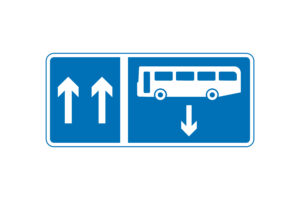
What is a Contraflow Bus Lane - If you’ve been out on Britain’s roads for any length of time, you’ll have noticed that the humble bus lane has become a common sight in towns and cities. They’re designed to keep buses moving freely, cutting through congestion and keeping public transport reliable. But one particular type of bus lane can still catch even seasoned drivers off guard — the contraflow bus lane.
Put simply, a contraflow bus lane runs against the normal flow of traffic. While most bus lanes run alongside traffic in the same direction, a contraflow allows buses to travel in the opposite direction to other vehicles on that stretch of road.
This might sound strange at first, but it’s a clever way of giving buses a more direct route, often cutting through one-way systems that would otherwise force a long detour.
The Best Theory Test Practice Site
How to Spot a Contraflow Bus Lane
Contraflow bus lanes are always clearly marked with:
Solid white lines separating them from the traffic lane.
Blue bus lane signs, often showing a white bus symbol against a blue background.
Directional arrows to make it obvious that buses are travelling in the opposite direction.
They may also have supplementary signs stating the times of operation and whether taxis, cyclists, or motorcyclists are permitted to use the lane.
Why They Matter
The biggest risk with contraflow bus lanes is that drivers can misinterpret them as an open traffic lane, especially when approaching from a side road. A moment’s inattention could mean facing a double-decker head-on.
That’s why it’s vital to check signs, road markings, and the general layout carefully. The rules are not just bureaucratic red tape — they are there to prevent serious accidents.
Penalties for Misuse
Driving in a contraflow bus lane when you’re not entitled to do so can result in a Penalty Charge Notice (PCN). Local authorities use CCTV and roadside enforcement, so don’t think of it as a “risk worth taking”. It isn’t.
Fines vary by council but are typically £70 (reduced to £35 if paid promptly). More importantly, a careless mistake could put you, your passengers, and a bus-load of people in danger.
Practical Tips for Drivers
Look ahead early: Spot bus lane signs well before you reach them.
Obey the arrows: Never drive into a lane marked with contraflow arrows unless your vehicle is permitted.
Stay alert when emerging: If you’re pulling out of a side road, remember a bus may approach from the “unexpected” direction.
Respect time plates: Some contraflow lanes only operate during peak hours. Outside those times, they may revert to ordinary use. Always check.
A Tradition of Road Safety
Contraflow bus lanes are not new — they’ve been part of the British road system for decades. They represent the balance we’ve long upheld in the UK: encouraging efficient public transport while maintaining safety and order on our roads.
As drivers, our responsibility is to respect these systems, not fight against them. By doing so, we protect a tradition of safety, courtesy, and common sense that has guided British motoring since the very beginning.
A contraflow bus lane isn’t there to trick you — it’s there to keep traffic flowing smoothly. Treat it with the respect it deserves, and you’ll avoid fines, confusion, and potentially dangerous mistakes.
To provide the best experiences, we use technologies like cookies to store and/or access device information. Consenting to these technologies will allow us to process data such as browsing behavior or unique IDs on this site. Not consenting or withdrawing consent, may adversely affect certain features and functions.
Functional
Always active
The technical storage or access is strictly necessary for the legitimate purpose of enabling the use of a specific service explicitly requested by the subscriber or user, or for the sole purpose of carrying out the transmission of a communication over an electronic communications network.
Preferences
The technical storage or access is necessary for the legitimate purpose of storing preferences that are not requested by the subscriber or user.
Statistics
The technical storage or access that is used exclusively for statistical purposes.The technical storage or access that is used exclusively for anonymous statistical purposes. Without a subpoena, voluntary compliance on the part of your Internet Service Provider, or additional records from a third party, information stored or retrieved for this purpose alone cannot usually be used to identify you.
Marketing
The technical storage or access is required to create user profiles to send advertising, or to track the user on a website or across several websites for similar marketing purposes.